Ceramic tiles - printing technique evolution and effects on sustainability
Ceramic tiles have long been a staple in the world of interior design and architecture. Their durability, versatility, and aesthetic appeal have made them a popular choice for both residential and commercial spaces. However, the art of ceramic tile production has come a long way since its inception. One of the most significant advancements in this industry has been the evolution of ceramic tile printing techniques.
Digital Printing Revolution
The digital age brought about a paradigm shift in ceramic tile printing techniques. In the late 20th century, computer-controlled inkjet technology was introduced to the industry. This advancement allowed for unprecedented precision and flexibility in design. Manufacturers could now produce tiles with intricate, high-resolution images, gradients, and even 3D effects. Digital printing transformed ceramic tiles from mere building materials into works of art.
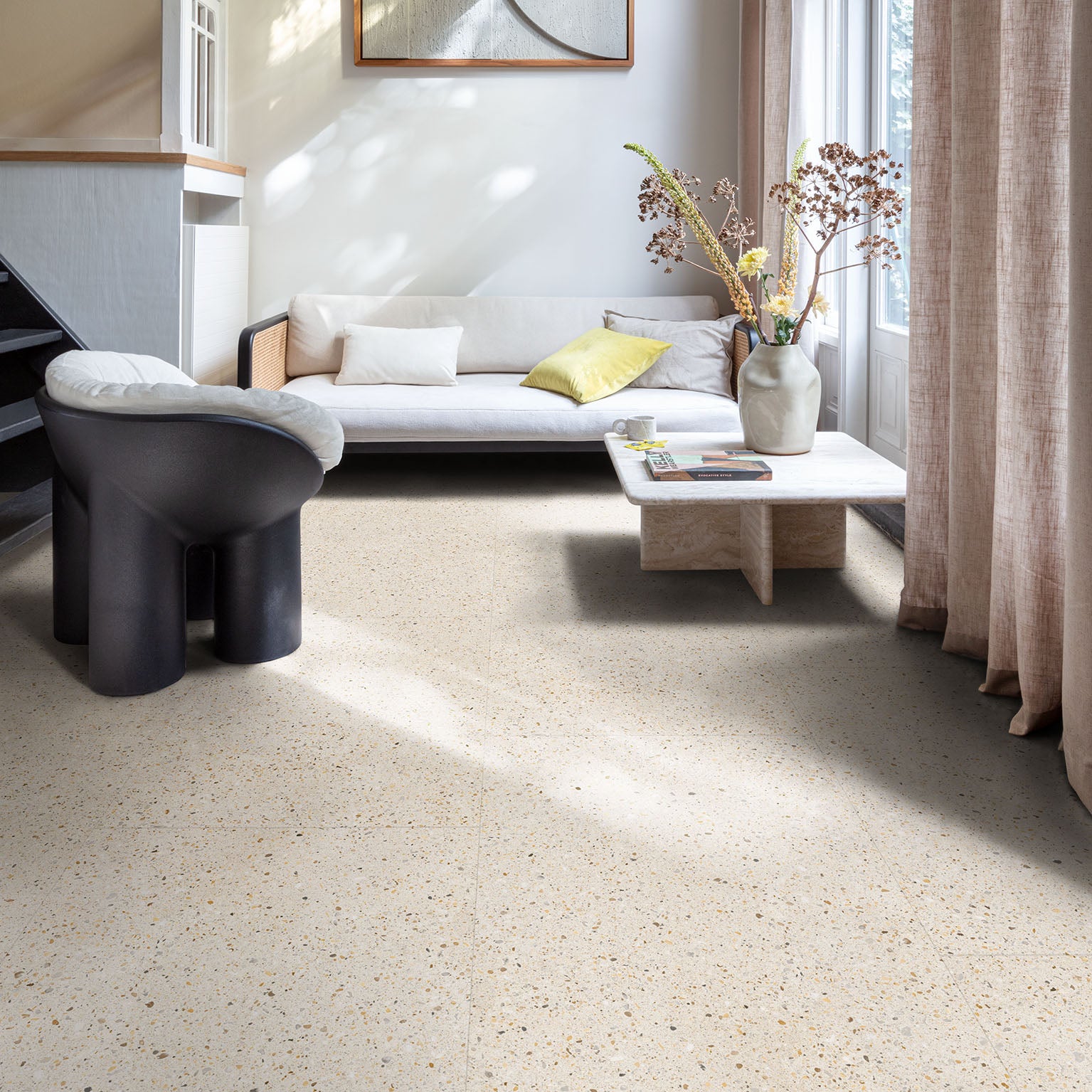
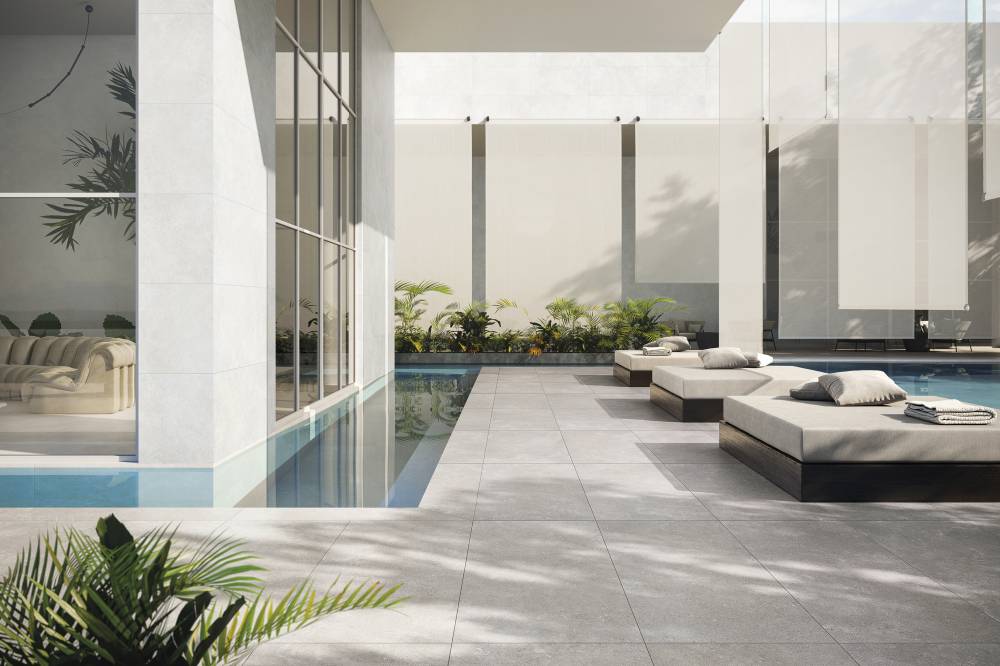
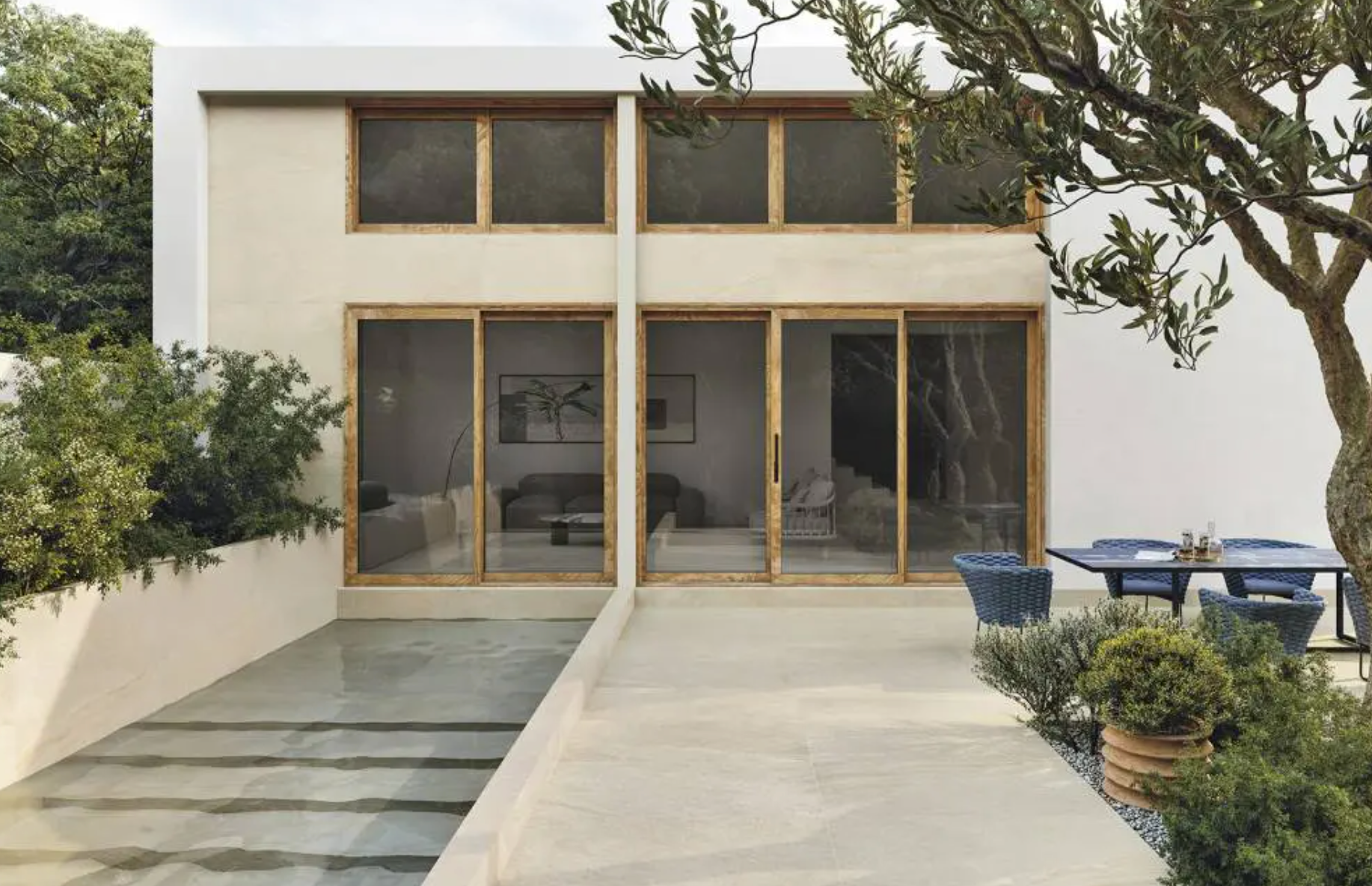
Inkjet technology, coupled with improved ceramic ink formulations, enabled the creation of tiles that mimic the appearance of natural stone, wood, and other materials. This innovation broadened the range of design possibilities and contributed to the widespread use of ceramic tiles in various applications, from kitchens and bathrooms to outdoor spaces.
Sustainability and Innovation
As environmental concerns grew, so did the demand for sustainable practices in the ceramic tile industry. Digital printing played a crucial role in reducing waste and minimising the environmental impact of production. It allowed manufacturers to optimise tile sizes and produce smaller, more customised batches, reducing material waste.
In addition, the development of water-based ceramic inks further reduced the industry's environmental footprint by eliminating the need for solvent-based inks. This shift towards sustainability has become a hallmark of modern ceramic tile manufacturing.
The evolution of ceramic tile printing techniques has been a remarkable journey, from the intricate hand-painted tiles of ancient times to the high-resolution digital masterpieces of today. These advancements have not only improved the efficiency and cost-effectiveness of tile production but have also expanded the creative possibilities for designers and architects.
As we move forward, we can expect further innovations in ceramic tile printing techniques, driven by technology, sustainability, and the ever-evolving demands of the design industry. Whether you're renovating your home or working on a large-scale architectural project, ceramic tiles will continue to play a significant role, offering an endless array of possibilities for creativity and expression.

Written by Salome Silva